Energy Efficiency Infrastructure Project Debt
Solas Capital provides institutional investors access to European energy efficiency infrastructure through structured project finance debt. Our strategy finances the most underfunded segment of the energy transition: building and industrial decarbonisation projects such as heating or self-consumption solar projects.
These projects are structured as asset-backed infrastructure project debt, delivering contractual cash flows insulated from electricity market volatility. This approach provides attractive risk-adjusted returns from essential energy transition infrastructure while delivering measurable climate impact through direct CO2 emissions reductions.
Why should you invest in energy efficiency?
Underfunded Energy Transition Infrastructure
Energy efficiency represents over 40% of emissions reductions required to achieve Net-Zero by 2040, yet receives a fraction of energy transition investment compared to renewable energy. Buildings – responsible for 40% of Europe’s energy consumption – face a €150+ billion annual funding gap for decarbonisation. This structural underinvestment creates investment opportunities: Institutional investors can access essential energy transition infrastructure with limited competition and strong policy tailwinds from the European Performance of Buildings Directive “EPBD” and EU Taxonomy.
Portfolio Diversification
Energy efficiency infrastructure provides true diversification within energy transition allocations. Unlike renewable energy strategies concentrated in utility-scale generation assets exposed to wholesale electricity prices, energy efficiency delivers:
– Returns based on contractual cash-flows, not electricity price exposure
– Granular project-level diversification (hundreds of projects vs. concentrated generation assets)
– Complementary exposure within institutional energy transition mandates
Liability matching & high cash-yield
Contractual offtake agreements from energy efficiency projects create long-term, predictable cash flows for liability matching and the amortizing project finance structure generates high current yields.
Asset-backed
Energy efficiency investments are backed by secured assets, which are typically required for the successful operation of the building, resulting in a low investment risk profile.
EU Taxonomy eligible & SFDR Art. 9/ Dark Green classification
All investments must result in a measurable and significant reduction in CO2 emissions (amongst other social and environmental benefits), and without generating material adverse impacts.
Climate impact
Energy efficiency measures offer the most cost-effective path to reducing CO2 emissions and play an equally crucial role as renewable energy in meeting the climate goals set be the EU and the Paris Agreement.
Underfunded Energy Transition Infrastructure
Energy efficiency represents over 40% of emissions reductions required to achieve Net-Zero by 2040, yet receives a fraction of energy transition investment compared to renewable energy. Buildings – responsible for 40% of Europe’s energy consumption – face a €150+ billion annual funding gap for decarbonisation. This structural underinvestment creates investment opportunities: Institutional investors can access essential energy transition infrastructure with limited competition and strong policy tailwinds from the European Performance of Buildings Directive “EPBD” and EU Taxonomy.
SFDR Art. 9/Dark Green classification & EU Taxonomy Eligible
All investments must result in a measurable and significant reduction in CO2 emissions (amongst other social and environmental benefits), and without generating material adverse impacts.
Climate impact
Energy efficiency measures offer the most cost-effective path to reducing CO2 emissions and play an equally crucial role as renewable energy in meeting the climate goals set be the EU and the Paris Agreement.
Asset-backed
Energy efficiency investments are backed by secured assets, which are typically required for the successful operation of the building, resulting in a low investment risk profile.
Fixed-income type returns Liability matching & high cash-yield
Energy efficiency investments typically benefit from long-term and fixed price offtake agreements, leading to a fixed-income distribution profile. This allows for liability matching and gives investors cash-flow predictability.
High cash-yield through amortizing underlying investments

As opposed to other private market strategies, the energy efficiency project debt strategy by Solas Capital generates high cash-yields due to the amortizing profile of investments.
Positive impact achieved through energy efficiency
Reduction of carbon emission
Energy efficiency investments reduce CO2 emissions by installing modern equipment and systems that use less energy while maintaining or improving performance. By consuming less energy through upgrades like efficient lighting, heating, and industrial equipment, these investments directly lower the amount of fossil fuel-based energy needed.
Improvement of energy security
By reducing the demand for energy, investments in energy efficiency reduces our dependence on energy imports and strengthens long-term energy security.
Increase of growth and productivity
Energy efficiency retrofits in buildings boost economic growth and productivity by reducing the energy inputs needed to create the same level of output. They also creating healthier, more comfortable work environments reducing absenteeism and accidents.
Decrease in energy poverty
Energy efficiency upgrades help reduce energy poverty by lowering household energy bills, for example through efficient heating systems. These improvements make homes more affordable to heat and power, allowing low-income families to maintain more comfortable living standards while spending less on energy costs.
New job creation
Energy efficiency project implementation drives significant new (additional) job creation. Local contractors and skilled workers are needed to install new lighting systems, upgrade HVAC equipment, and improve insulation. These retrofits require electricians, technicians, and engineers, while ongoing maintenance creates long-term technical service jobs.
Health improvements
Efficient building upgrades create healthier and more comfortable indoor environments through improved air quality, stable optimal temperatures, and improved lighting. These enhancements reduce respiratory issues and create more comfortable spaces, leading to better occupant health and wellbeing, and fewer sick days.
Economic resilience
By increasing energy efficiency, countries and businesses become less vulnerable to supply disruptions and energy price fluctuations, creating a more resilient energy system and stable cost environment.
Positive Impact Achieved through Energy Efficiency
CO2 Emissions Reduction
Energy efficiency investments reduce CO2 emissions by installing modern equipment and systems that use less energy while maintaining or improving performance. By consuming less energy through upgrades like efficient lighting, heating, and industrial equipment, these investments directly lower the amount of fossil fuel-based energy needed.
Energy Security
By reducing the demand for energy, investments in energy efficiency reduces our dependence on energy imports and strengthens long-term energy security.
Growth and Productivity
Energy efficiency retrofits in buildings boost economic growth and productivity by reducing the energy inputs needed to create the same level of output. They also creating healthier, more comfortable work environments reducing absenteeism and accidents.
Decrease in Energy Poverty
Energy efficiency upgrades help reduce energy poverty by lowering household energy bills, for example through efficient heating systems. These improvements make homes more affordable to heat and power, allowing low-income families to maintain more comfortable living standards while spending less on energy costs.
New Job Creation
Energy efficiency project implementation drives significant new (additional) job creation. Local contractors and skilled workers are needed to install new lighting systems, upgrade HVAC equipment, and improve insulation. These retrofits require electricians, technicians, and engineers, while ongoing maintenance creates long-term technical service jobs.
Health Improvements
Efficient building upgrades create healthier and more comfortable indoor environments through improved air quality, stable optimal temperatures, and improved lighting. These enhancements reduce respiratory issues and create more comfortable spaces, leading to better occupant health and wellbeing, and fewer sick days.
Economic Resilience
By increasing energy efficiency, countries and businesses become less vulnerable to supply disruptions and energy price fluctuations, creating a more resilient energy system and stable cost environment.
Impact Investor Webinar (22.10.2024)
Watch Sebastian Carneiro, CEO and Co-founder of Solas Capital discuss how institutional investors can achieve Net-zero targets and diversify their portfolio with Energy Efficiency project debt.
CASE STUDIES
Award-Winning Retrofit: Transforming Slovenia's Public Buildings
- Energy Savings: 934,500 kWh p.a.
- Emission Reduction: 489,900 kg CO2 p.a.
- Energy Cost Savings: 280,800 € p.a.
Resalta, a Slovenian energy service company, used financing provided by the Solas Sustainable Energy Fund to implement a deep building retrofit in a primary school and health center in Slovenia, including roof and facade insulation, new windows and doors, renovation of heating system, LED lighting, HVAC and thermostatic valves). The customers pay a monthly fee throughout the project tenor for the services and energy cost reduction. At the end of the contract, the benefits to the entire savings are transferred to the public entity.
CASE STUDIES
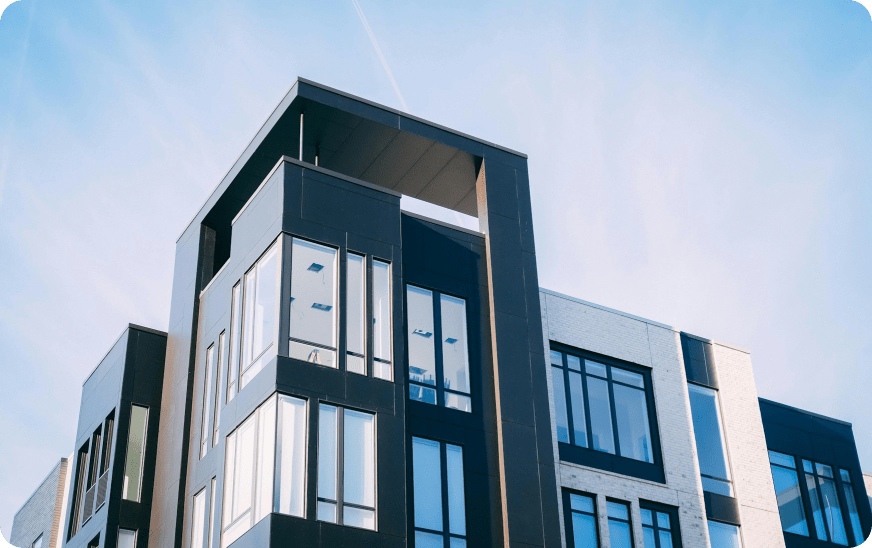
Heating optimisation of 19 Story Apartment Building in Frankfurt
- Energy Savings: 250,000 kWh p.a.
- Emission Reduction: 59,700 kg CO2 p.a.
- Energy Cost Savings: 36,700 € p.a.
Paul Tech AG installs software-operated hydraulic balancing systems in the water and heating systems in multi-family residential buildings in Germany.
The installation in Frankfurt resulted in an increase to Energy Efficiency Class D from F.
CASE STUDIES
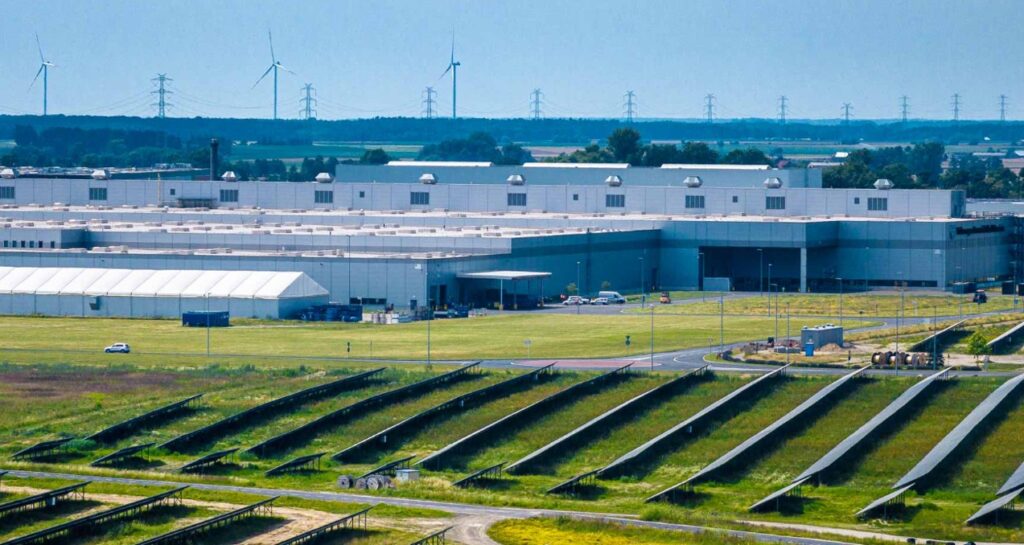
Rooftop PV installation on Dublin warehouse
- Energy Produced: 45,600 kWh p.a.
- Emission Reduction: 8,600 kg CO2 p.a.
- Energy Cost Savings: 5,800€
Urban Volt installed self-consumption solar PV and LED lights and entered a contract with an industrial energy consumer, who pays a fixed monthly service payment throughout the lifetime of the contract. The energy consumer had zero upfront expense for the project installation.
Explore our White Papers on Energy Efficiency Infrastructure
The Next Phase of Energy Transition Investing: Building and Industrial Decarbonisation
Demand-Side Flexibility: The Next Building Block in Europe’s Energy Transition
From Energy Bills to Energy Assets: Smart Buildings Revolutionizing the Power Grid
Interested in investing? We would like to hear from you today
As experts in the field of energy efficiency and energy-as-a-service business models, we know how to bridge the gap between institutional investors and these multiple benefits projects. We operate across Europe with a focus on EU countries.